Reflections on twenty years as Musical Director
For twenty years, Bournemouth Male Voice Choir occupied a very substantial part of my life. Week by week, we worked at the business of singing well together, discovering along the way how much we could achieve and how much we enjoyed one another’s company. Looking back, I am proud of the music we made. I am equally grateful for the friendships which grew around it, some of which have remained among the most important of my life.
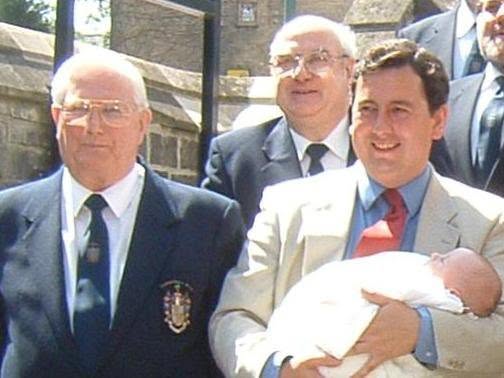
I became the choir’s conductor almost by accident. Having moved to Bournemouth, I made contact with Ted Lewis, one of its great stalwarts, who took an interest in my background with the Harlandic Male Voice Choir in Belfast. An invitation to guest-conduct a concert with the Hart Male Voice Choir at Odiham led to an invitation to stay. What began as a single engagement became a relationship lasting two decades. I formally became conductor on the day my daughter, Alexandra, was born.
The choir already had a long history within the town. Its own historical account records a local press reference in 1919 and associates its early development with the Bournemouth Labour Choir and Springbourne Male Voice Choir. A performance on the steps of Bournemouth Town Hall in 1922 forms part of that remembered beginning. Matt Dando subsequently conducted the choir for more than thirty years. There is more research to be done into those earlier generations, but I was very conscious that I had joined an organisation to which many people had already given a considerable part of their lives.
My immediate predecessor, Alison Peach, was a deeply musical woman who cared greatly for the men. I inherited a small choir, with roughly two dozen singers, and a nucleus of members whose loyalty would prove invaluable. I brought the experience I had gained in Northern Ireland, together with a fairly clear idea of how I wanted rehearsals to work. We paid close attention to vocal technique, and I chose music which would help the choir develop its sound. The work was quite practical: learning to sustain a phrase, listening carefully to a chord, understanding how the words should shape the singing. Over time, we began to hear the results.
One of the pleasures of a long conductorship is that you can hear a choir growing into its own possibilities. Music which once seemed beyond reach becomes manageable, and eventually belongs quite naturally in the repertoire. As the men grew more confident, we could ask more of one another. Membership increased, and for much of my time the choir numbered somewhere in the high forties or around fifty. We had enough voices to make a splendid sound, while remaining a company in which everyone knew everyone else.
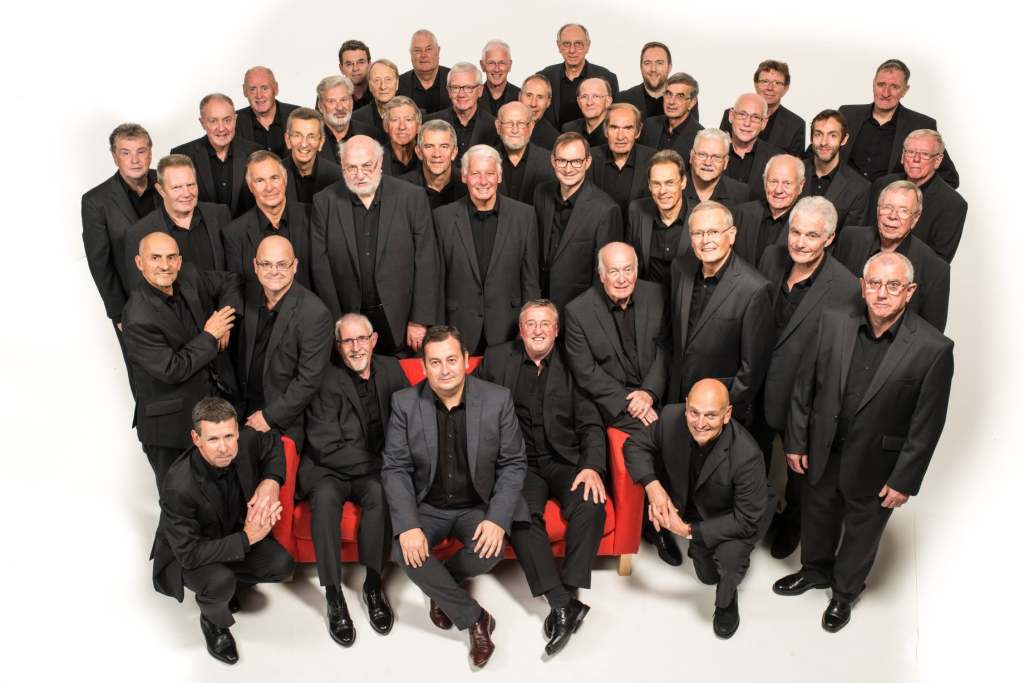
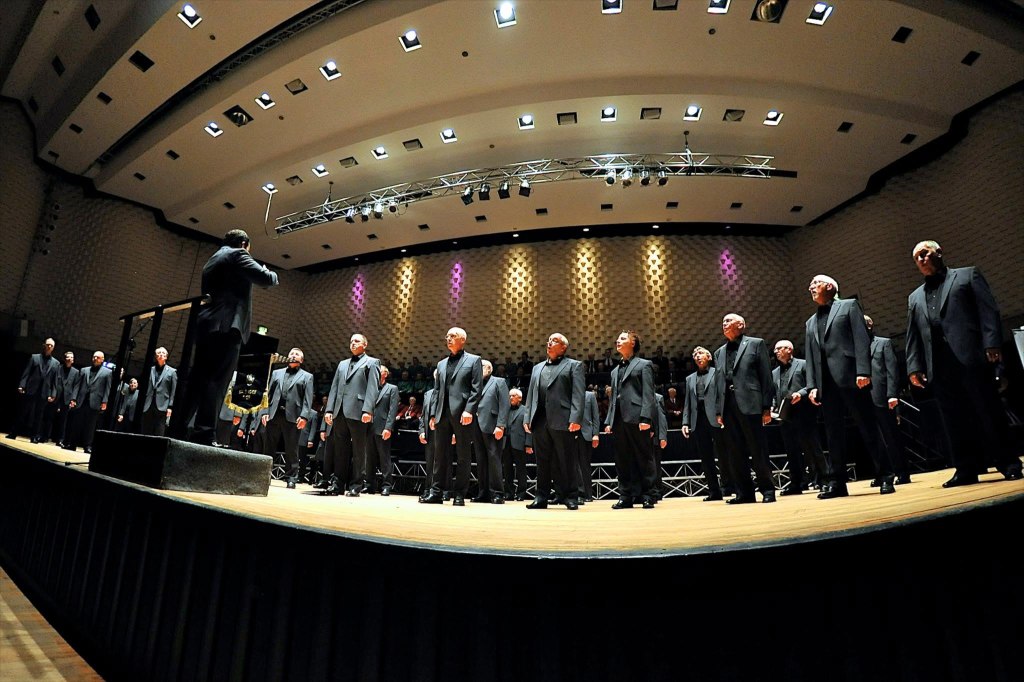

The choir developed through several distinct phases. After the early rebuilding came a more deliberate examination of the ensemble we wanted to become. We introduced regular re-auditions after a long period of discussion among the members, establishing a shared expectation that everyone would take part. Our concert appearance changed too, with charcoal-grey suits and black shirts giving us a fresh sense of ourselves on the platform. We also experimented with mixed formation, placing singers beside men singing different parts. This asked for greater independence and encouraged closer listening across the choir.
Throughout these changes, my affection for the male-voice tradition remained very strong. I had grown up musically within it and knew how beautiful its sound could be. I wanted us to explore the range of expression available to those voices, including the delicacy that can so easily be overlooked. The excitement of a full-voiced climax means much more when a choir can also sustain a quiet phrase with warmth and control. Our repertoire continued to evolve as we became more capable of doing justice to it.
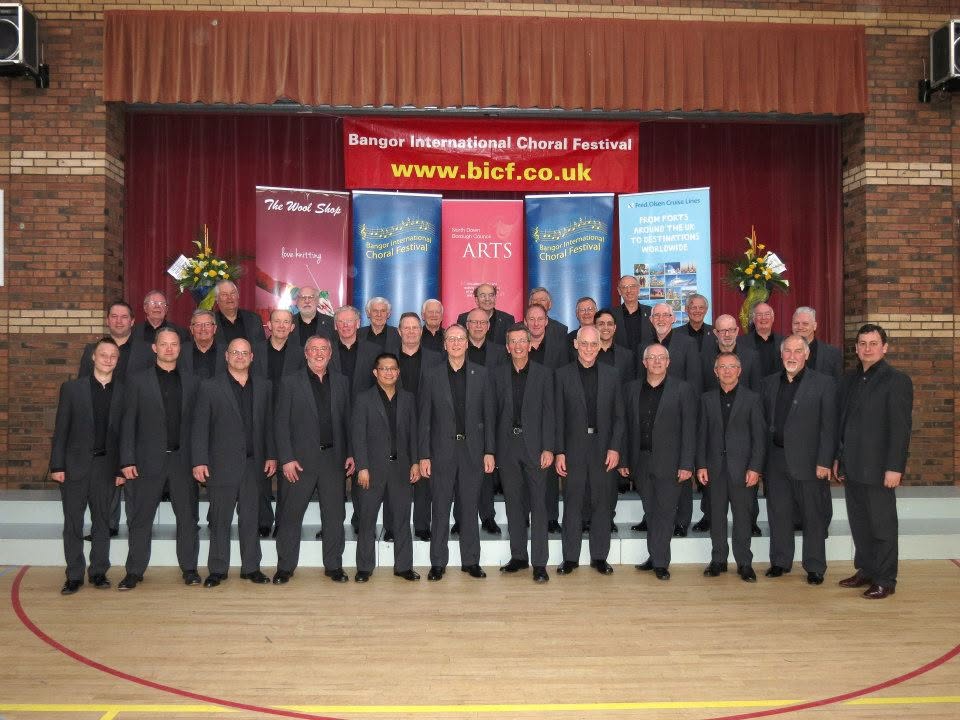
Competition gave some of that work a particular focus. Our successes at Larne Music Festival in 2009 were especially meaningful to me, returning with Bournemouth to a place associated with the Harlandic’s earliest victories. Bangor in 2013 was another memorable visit, with wins in the sacred and light entertainment classes and recognition as best visiting choir. I remember with particular pleasure the contrast between Mendelssohn’s Beati mortui and Alan Simmons’s Sing for Your Life, and the confidence with which the men approached their very different demands.
In 2017 we won first prize at the Brighton International Male Choir Festival. Writing about the visit afterwards for the National Association of Choirs, I recalled the pleasure of meeting other singers and the effect the weekend had on the choir’s morale. It was also a particularly busy year: we released our fourth commercial recording, and our Lighthouse concert raised £10,000 for Bournemouth Hospital Charity.
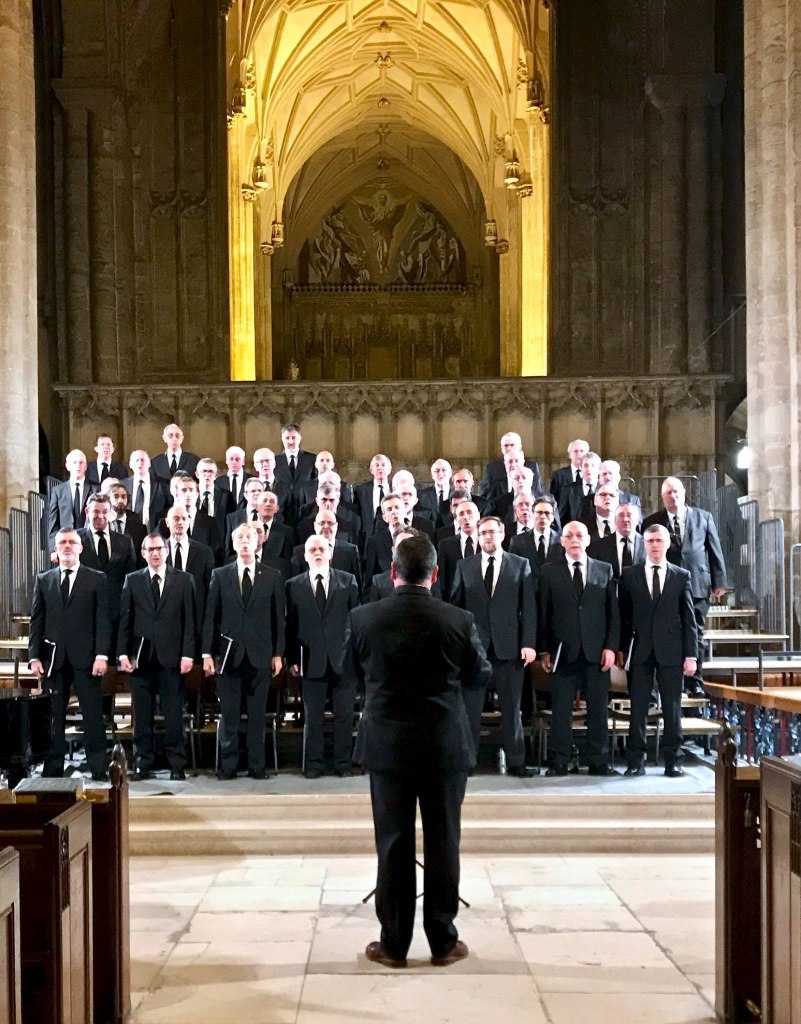
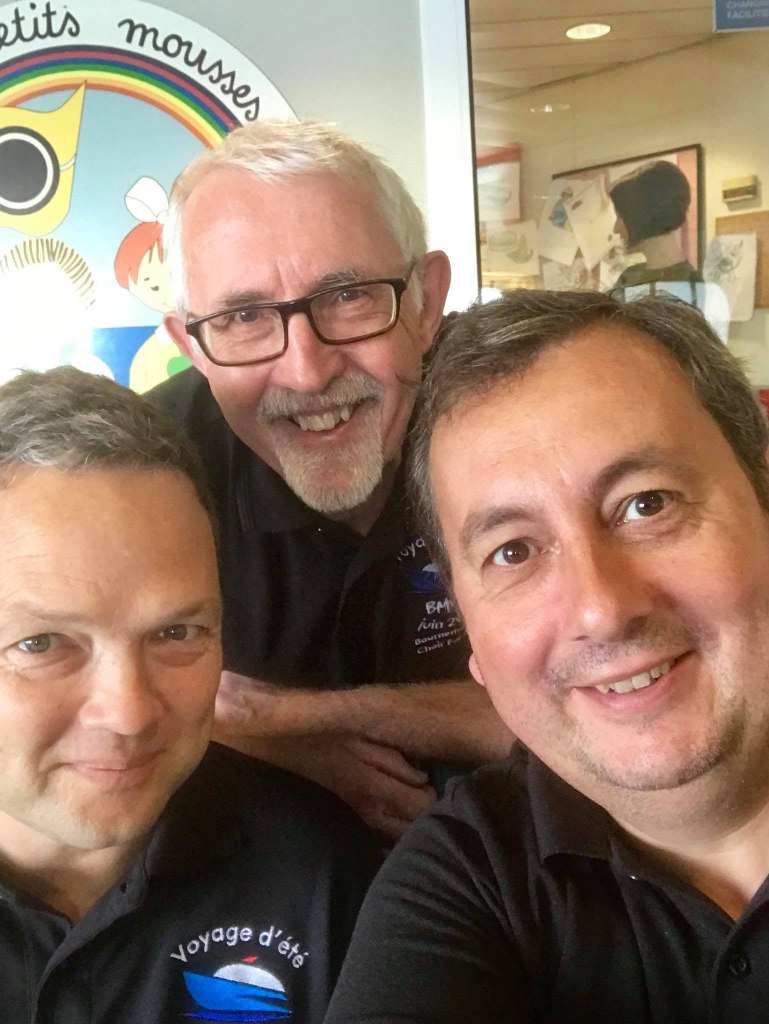
Those occasions gave us something to work towards, but much of the pleasure was in travelling together. We sang around England and Wales, returned to Northern Ireland and visited France. The journeys gave us time to become friends beyond the rehearsal room. There were meals together and conversations which continued long after the formal business of a concert had ended. On one visit to Northern Ireland, I bought forty pints of Guinness as a thank-you to the men. I had failed to anticipate quite how many of them would want to buy me a drink in return. It remains a fond memory, although the following morning was rather less enjoyable.
Closer to home, our Learn2Sing programme became one of the projects of which I was most proud. We invited men to spend ten weeks discovering what it was like to sing in a choir, working towards a concert for charity. In 2017 more than sixty men took part in the free programme. For someone who has never sung in public, the prospect of doing so can be daunting. There was enormous satisfaction in helping new singers find confidence in their voices and discover the pleasure of contributing to a shared sound. Some went on to become members, bringing fresh enthusiasm into the choir.
Our larger events grew from the same wish to make singing part of the life of the community. In 2019 we hosted a male voice choir competition at Lighthouse in Poole, culminating in a gala concert involving some four hundred voices. The event raised £12,500 for Bournemouth Hospital Charity. It was an ambitious undertaking for a voluntary organisation, and its success owed a great deal to the members who took responsibility for making it happen.
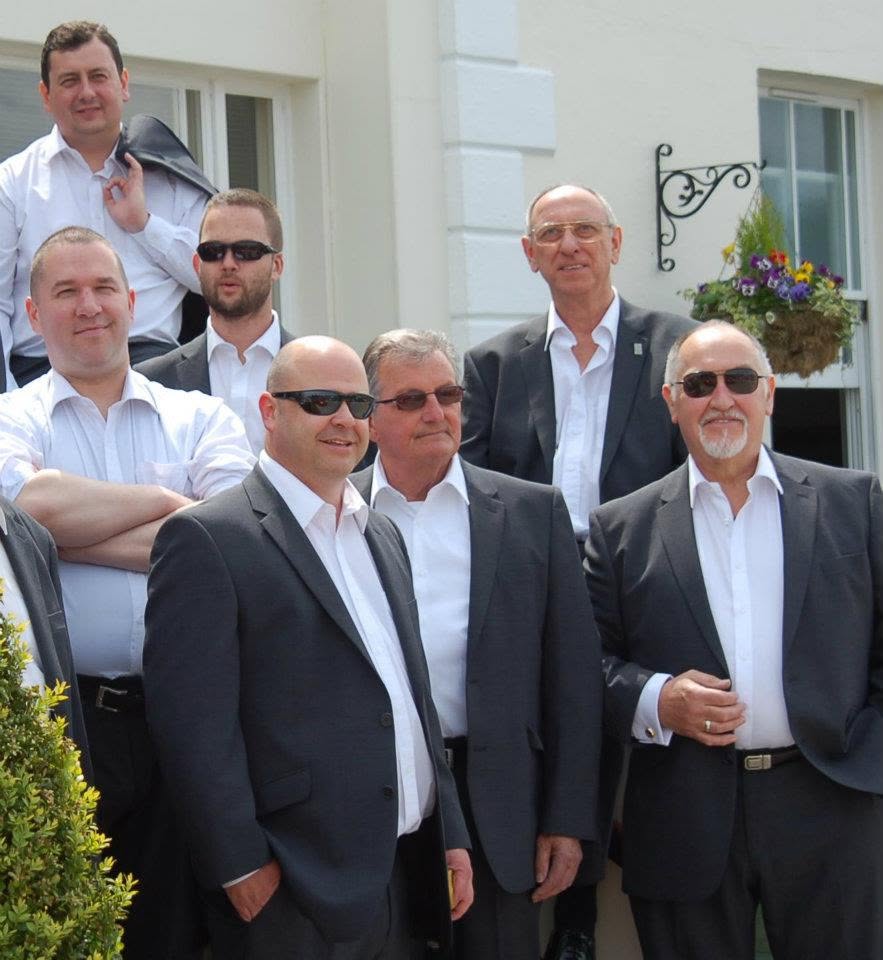
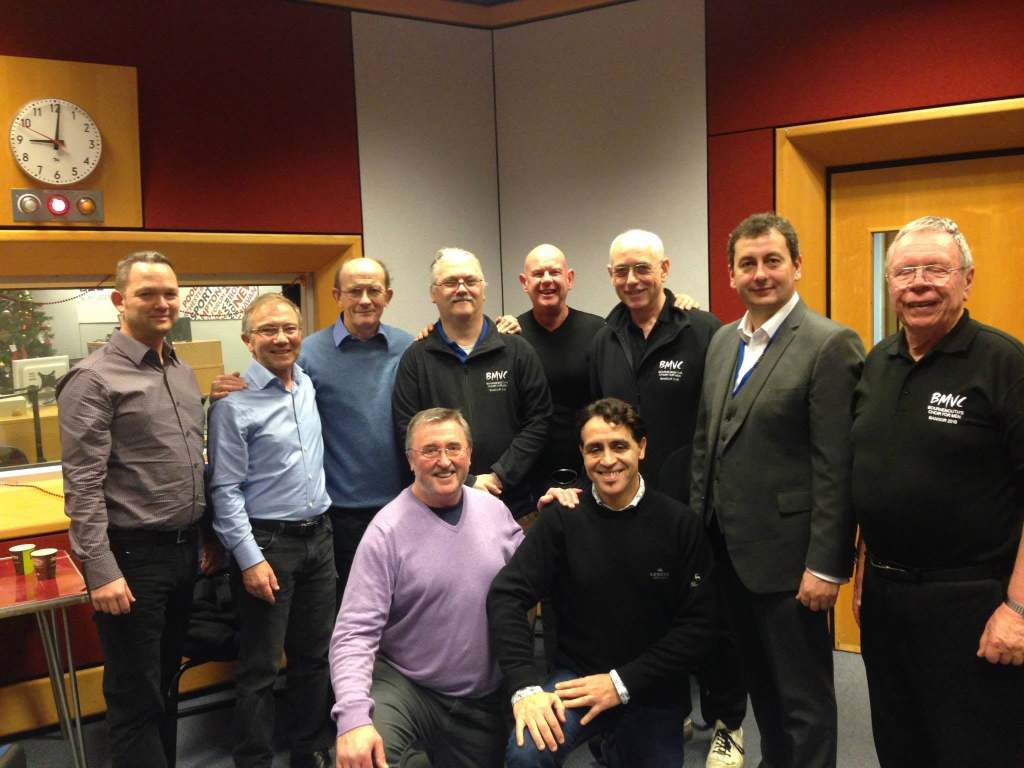
Indeed, any account of my time with Bournemouth would be incomplete without acknowledging the work which surrounded the music. Brian Miles gave an extraordinary amount of himself to the choir during those early years. We would often speak on the telephone for an hour a day, thinking through plans and working out what needed to happen next. His wife Pat was wonderfully supportive, and the barbecues in their garden belong among my happiest memories of that period. David Hughes brought great generosity to the choir, while Mike Weaver and Anton Parker became a close friends and important partners in its development. Malcolm Jenkins, Rob Phillips, and Rob Dishington were partners I simply could not have been without, they have my undying love and admiration. Many others gave their time with the same wholehearted commitment, Geoff, Lee, David and so many more – they know how much they mean to me and who they are. I depended on them far more than an account confined to the conductor’s work could ever convey.
The partners and families were part of this life too. They travelled with us and helped make our events possible, often giving support which an audience would never see. When Pat Miles died during the pandemic, restrictions prevented us from gathering to sing at her funeral. Instead, I prepared tracks of Love Divine, All Loves Excelling, to the tune Blaenwern, and invited members and partners to record their parts at home. I assembled their voices into a recording for the service. Later, we were able to sing together at Brian’s funeral, where I conducted We Rise Again and sang the solo. These were deeply personal occasions within the choir’s shared life.
My interest in the history of male-voice singing has made me increasingly attentive to what such organisations mean to the people within them. Bournemouth Male Voice Choir gave me twenty years in which to experience that at close quarters. The commitment to a weekly rehearsal can grow into something very significant. People become familiar through the work of making music together and gradually come to occupy a place in one another’s lives.
When I remember the choir now, I can still hear particular voices within its sound. I remember the satisfaction of a phrase finally settling, and the pleasure of hearing the men sing something beautifully which had once seemed difficult. There was a great deal of laughter along the way. I asked much of them, and they gave me a great deal in return.
It was a privilege to conduct Bournemouth Male Voice Choir for so long. I remain grateful to everyone who shared those years with me, and hope that the choir will continue to give future generations of men the musical pleasure and friendship which it gave us.


